
Ремонт дома в Ванкувере, 2026 год: затраты, разрешения и руководство по районам
Домовладельцы Ванкувера, проводящие ремонт в 2026 году, работают с городом, который сочетает в себе жилой фонд столетия — довоенные дома ремесленников в Китсилано, 1960-е годы.
Vancouver Home Renovation 2026 — Cost Overview
Vancouver homeowners renovating in 2026 are working with a city that combines a century of housing stock — pre-war craftsman homes in Kitsilano, 1960s bungalows across the East Side, glass high-rises in Coal Harbour — with some of the most complex permit and strata regulations in Canada. Costs vary accordingly, but here is what real projects look like.
| Service | Entry-level | Mid-range | Premium |
|---|---|---|---|
| Kitchen | $14,000–$22,000 | $25,000–$45,000 | $55,000–$72,000+ |
| Bathroom | $8,000–$15,000 | $18,000–$35,000 | $35,000–$45,000+ |
| Basement (rec room) | $35,000–$50,000 | $50,000–$80,000 | $80,000–$110,000+ |
| Legal secondary suite | $55,000–$75,000 | $75,000–$95,000 | $95,000–$110,000+ |
| Whole-home renovation | $50,000–$90,000 | $90,000–$150,000 | $150,000–$200,000+ |
All prices are based on real 2025–2026 projects completed across Vancouver. They include labour, standard materials, and permits. Premium appliances and custom specialty features are additional.
Kitchen Renovation in Vancouver (2026)
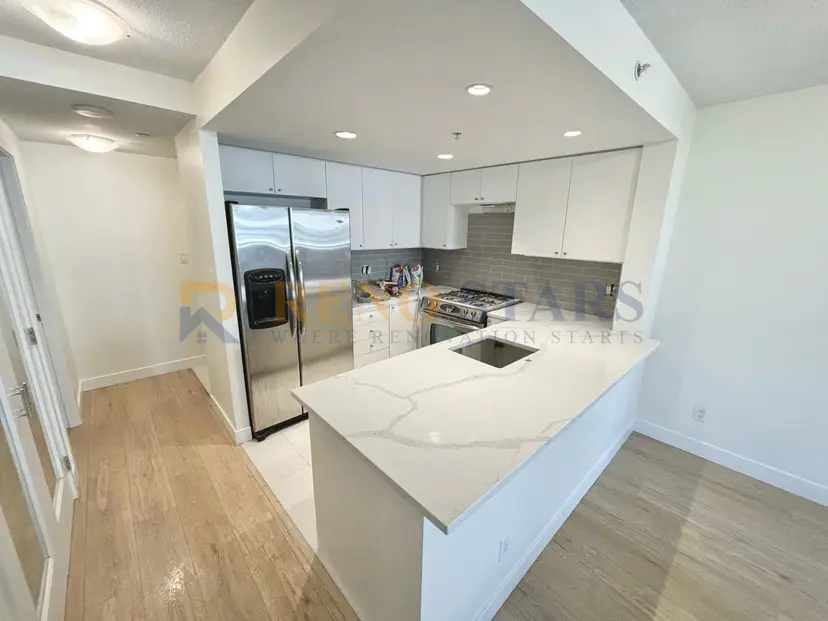
Kitchen renovations are the most requested project across Vancouver's diverse housing stock. Pricing from completed projects:
| Scope | Cost Range | What's Included |
|---|---|---|
| Basic refresh | $14,000–$22,000 | New countertops, hardware, backsplash, faucet, lighting. Existing cabinets refaced or repainted. |
| Mid-range (semi-custom) | $25,000–$45,000 | Full semi-custom cabinet replacement, quartz countertops, backsplash, plumbing fixtures. Appliances excluded. |
| Full mid-range (appliances included) | $35,000–$55,000 | Above plus mid-range appliance package. |
| Premium custom | $55,000–$72,000+ | Custom cabinetry, waterfall island, premium stone, integrated appliances, layout changes. |
What Drives Kitchen Costs in Vancouver
Housing type matters most. Pre-war homes in Kitsilano, East Van, and Mount Pleasant regularly turn up knob-and-tube wiring behind the walls — budget $2,500–$5,000 for electrical upgrades before the cabinet crew can start. Our Critical Load Panel Installation service upgrades your home electrical capacity for modern renovation demands. Plaster ceilings require specific patching skills. Fir subfloors need levelling before tile goes down.
Open-concept conversions add cost. Removing a load-bearing wall to create the kitchen-living connection that Vancouver buyers expect requires an engineer-stamped drawing ($600–$1,200) plus a structural permit and beam installation. Many 1950s–1970s Vancouver kitchens are still closed off; the conversion is popular but adds $8,000–$18,000 above the base kitchen scope.
Strata condos add a paperwork layer. If you are renovating a Yaletown or Coal Harbour kitchen, strata approval and the associated documentation take 2–6 weeks before a hammer swings. Budget for a strata damage deposit ($500–$2,000) as well.
Bathroom Renovation in Vancouver (2026)
Vancouver bathrooms range from 45-square-foot condo powder rooms to large five-piece ensuites in Shaughnessy character homes. Prices from real projects:
| Scope | Cost Range | What's Included |
|---|---|---|
| Cosmetic refresh | $8,000–$15,000 | New vanity, fixtures, mirror, lighting, paint. No tile replacement. |
| Standard renovation | $18,000–$25,000 | Full tile replacement, new vanity, shower/tub, fixtures. Minor plumbing moves. |
| Mid-range remodel | $25,000–$35,000 | Custom cabinetry, frameless glass enclosure, heated floor, layout changes. |
| Luxury / curbless | $35,000–$45,000+ | Curbless shower, large-format tile, steam unit, custom millwork, full plumbing rework. |
Vancouver Bathroom Specifics
Asbestos in tile adhesive and drywall. Pre-1980 Vancouver homes may have asbestos-containing floor tile mastic or drywall compound. Abatement adds cost (varies by scope) and requires a licensed abatement contractor — mandatory under WorkSafeBC regulations before any demo work. Our team handles abatement coordination.
Condo bathrooms in high-rises require strata-approved waterproofing methods and often have floor drain regulations. Heat recovery ventilators (HRVs) connected to suite mechanical systems must be properly disconnected and reconnected.
Basement Renovation in Vancouver (2026)
Vancouver's RS-1 zoning allows secondary suites in most detached homes, making basement renovation one of the most financially compelling projects in the city. Real project costs:
| Scope | Typical Cost |
|---|---|
| Basic rec room (flooring, drywall, lighting) | $35,000–$50,000 |
| Rec room plus full bathroom | $50,000–$70,000 |
| One-bedroom self-contained suite | $70,000–$95,000 |
| Legal secondary suite (two-bedroom) | $95,000–$110,000+ |
| Underpinning / dig-out to add ceiling height | Add $50,000–$120,000 |
Vancouver Basement: Seismic and Moisture Considerations
Seismic preparedness. Vancouver sits in one of Canada's highest seismic risk zones. Older homes with cripple walls (short stud walls between the foundation and first floor) require cripple-wall bracing to meet current BC Building Code. This is commonly discovered during basement renovation; cost depends on the perimeter length but adds a meaningful structural line item.
Moisture management. Marine climate means any basement renovation must include vapour barrier upgrades, proper drainage tile inspection, and in some cases a waterproofing membrane system. Skipping this step and adding drywall over a damp slab leads to mould — and a much more expensive remediation.
Whole-Home Renovation in Vancouver
Full whole-home renovations range widely depending on whether you are doing a cosmetic refresh, reconfiguring floor plans, or taking a home down to the studs:
| Scope | Cost Range |
|---|---|
| Targeted cosmetic updates (paint, fixtures, flooring) | $50,000–$90,000 |
| Mid-range whole-home (kitchen + bath + flooring + paint) | $90,000–$150,000 |
| Premium / structural whole-home | $150,000–$200,000+ |
Vancouver character homes often require additional budget for:
- Knob-and-tube wiring replacement (whole-home rewire: varies significantly based on square footage and panel work required)
- Plumbing upgrades (galvanized or poly-b pipe replacement, varies by home size)
- Seismic upgrades if triggered by permit scope
- Heritage Alteration Permit if the home is on the Vancouver Heritage Register
Vancouver Neighbourhood Renovation Profiles
Kitsilano and Point Grey
Kitsilano is one of Vancouver's most active renovation markets. Craftsman bungalows from the 1910s–1940s sit alongside post-war homes and 1970s infills. Renovation priorities here lean toward:
- Open-concept kitchen expansions — removing the wall between kitchen and dining room is the single most common request. Many Kits bungalows have a formal dining room that owners convert into a combined living/kitchen space. Expect engineering costs for load-bearing walls.
- Master ensuite additions — older Kits homes often have one shared bathroom. Owners add an ensuite by capturing a bedroom corner or repurposing a large closet. Tight configurations mean precision work.
- Heritage character preservation — original fir floors, Douglas fir trim, and arched doorways are highly valued in Kitsilano. Our crews sand and refinish original fir floors, patch plaster ceilings with traditional techniques, and match period millwork profiles.
Point Grey homes are larger and budgets for whole-home renovations accordingly exceed the Kitsilano norm. Many Point Grey projects include full basement secondary suite development in addition to main-floor kitchen and bathroom work.
East Vancouver (Mount Pleasant, Commercial Drive, Grandview-Woodland)
East Van's character homes — craftsman, Victorian, and worker's cottages — represent some of Vancouver's most complex renovation work. What looks like a straightforward kitchen update regularly involves:
- Knob-and-tube wiring in homes built before 1950. Insurers increasingly require full remediation before issuing or renewing homeowner policies.
- Asbestos abatement in flooring, drywall compound, and roofing materials in homes built pre-1980
- Heritage considerations in Strathcona and Grandview-Woodland, which are Heritage Conservation Areas. Exterior changes require a Heritage Alteration Permit.
East Van projects are often phased — owners tackle kitchen or main bathroom first, then return for the basement suite or exterior work. We keep detailed records so that subsequent phases integrate cleanly with earlier work.
West Side (Shaughnessy, Kerrisdale, Dunbar)
The West Side of Vancouver hosts the city's highest-value renovation projects. Shaughnessy character homes from the 1910s–1930s regularly undergo whole-home renovations that exceed $200,000. Key characteristics:
- Premium custom finishes throughout — custom cabinetry, large-format tile, integrated appliances, smart home systems. Entry-level finishes are rarely specified on the West Side.
- Large-scale floor plan changes — removing multiple load-bearing walls, relocating staircases, and opening ceilings. Structural engineering is a normal project cost.
- Heritage designation complexity — Shaughnessy has the highest concentration of Heritage Register properties in Vancouver. Category A homes require the most restrictive permits; Category B and C allow more interior latitude.
- Extended permit timelines — complex West Side projects regularly involve 4–8 weeks for permit processing plus additional time for heritage review if applicable.
Kerrisdale and Dunbar projects tend to be 1960s–1980s homes where whole-home renovations focus on kitchen expansion, bathroom additions, and open-concept floor plan conversions rather than heritage preservation.
Downtown, Yaletown, and Coal Harbour
Downtown Vancouver's renovation market is almost entirely condo-driven. Project characteristics:
- Strata approval is mandatory. Every renovation in a strata-titled unit requires written approval before work begins. Our team prepares and submits all strata documentation: renovation agreement, contractor credentials, $5M CGL certificate, scope of work, noise management plan.
- Work hours are restricted. Most Downtown and Yaletown strata buildings enforce 8am–5pm Monday–Friday construction hours. Project timelines extend accordingly.
- Building access logistics. Elevator booking, loading dock scheduling, and materials staging in high-rises add coordination time that ground-level projects do not have.
- Condo scopes tend to be cosmetic to mid-range. Structural work is uncommon in concrete towers. Most condo renovations focus on kitchen and bathroom refreshes, flooring replacement, and lighting upgrades — typically $18,000–$60,000 depending on unit size and finish level.
Heritage lofts in Gastown and Chinatown occupy a different category: exposed brick and timber framing require specialized finishing skills and often heritage compliance review.
South Vancouver, Marpole, and Riley Park
South Vancouver's housing stock spans 1930s–1980s detached homes, many in RS-1 (single-family residential) zoning that permits secondary suites. This area is one of the most active markets for:
- Legal secondary suite development — adding a self-contained basement or garden-level suite. South Van basement suites typically cost $70,000–$110,000 for a legal two-bedroom unit including permits, egress, sound separation, and a full kitchen.
- Seismic upgrades — cripple-wall bracing is commonly required when basement permits are pulled on pre-1960 homes. We incorporate seismic bracing as a standard part of any basement renovation scope where triggered.
- Kitchen and bathroom modernization — the area's older housing stock frequently has original 1950s–1970s kitchens that owners are now updating. Mid-range kitchen renovations ($25,000–$45,000) are the most common single-project scope.
Heritage Home Renovations in Vancouver
Vancouver has over 2,200 properties on the Vancouver Heritage Register. Categories determine permit requirements:
- Category A: The most protected. Exterior changes require a Heritage Alteration Permit and must conform to Heritage Conservation guidelines. Demolition is prohibited without Council approval.
- Category B: Heritage Alteration Permit required for exterior changes. Interior renovations (kitchens, bathrooms, mechanical) have significant flexibility within guidelines.
- Category C: Schedule C properties are "Noted" for heritage value. Alteration permits required for some changes; interior renovations generally proceed with standard building permits.
A Heritage Alteration Permit application requires:
- Existing conditions drawings showing original character-defining features
- Proposed work drawings showing what will be retained and what will change
- Heritage conservation rationale prepared by or reviewed by a heritage consultant
Processing typically adds 4–8 weeks on top of standard permit timelines. Our team has completed heritage renovations throughout Strathcona, Grandview-Woodland, Shaughnessy, and Kitsilano — preserving original fir floors, plaster crown moulding, period millwork, and heritage facade elements while modernizing kitchens, bathrooms, and mechanical systems.
City of Vancouver Building Permits (2026)
When is a permit required?
In Vancouver, building permits are required for:
- Any structural work (removing or modifying load-bearing walls, foundations, roofing structure)
- Plumbing or electrical relocation or new installation
- Secondary suite creation or modification
- Additions or new construction
- Changes to egress (windows, doors in certain locations)
Cosmetic work — painting, flooring replacement without subfloor modification, cabinet refacing where no electrical or plumbing is disturbed — generally does not require a permit. When in doubt, our team confirms permit requirements with the City before starting work.
Permit processing timeline: Standard residential projects currently process in 4–8 weeks. Complex projects (heritage, structural, secondary suites) may require additional review time. We recommend initiating permit applications 6–8 weeks before your planned construction start.
Typical permit fees:
| Project type | Building permit fee (approx.) |
|---|---|
| Kitchen renovation ($25K–$40K construction value) | $450–$850 |
| Structural beam / load-bearing wall removal | $500–$900 + engineer drawing ($600–$1,200) |
| Plumbing permit (when relocating drains or gas) | $150–$250 |
| Secondary suite permit | Varies by declared construction value |
Electrical permits for new circuits or panel upgrades are obtained directly by your licensed electrician and are not included in the above.
Inspections. Vancouver requires inspections at framing, rough plumbing, rough electrical, insulation, and final stages. Our project managers schedule all inspections and ensure trades are ready.
Many Metro Vancouver homeowners are also upgrading to a heat pump HVAC system during major renovations — providing both heating and cooling in one energy-efficient unit, and qualifying for BC Hydro rebates.
For homeowners planning long-term or accommodating family members with mobility needs, accessible bathroom renovations — including grab bars, curbless showers, and slip-resistant flooring — are a smart addition to any major renovation project.
Frequently Asked Questions
How much does a kitchen renovation cost in Vancouver in 2026? Kitchen renovation costs in Vancouver range from $14,000 for a basic refresh (new countertops, hardware, backsplash on existing cabinets) to $72,000+ for a full premium custom renovation with custom cabinetry, stone countertops, integrated appliances, and layout changes. Most Vancouver homeowners budget $28,000–$55,000 for a full mid-range renovation that replaces cabinets, countertops, backsplash, and fixtures. Older East Van homes with knob-and-tube wiring or load-bearing wall removal can add $5,000–$18,000 to these baselines.
Do I need strata approval to renovate my Vancouver condo? Yes. Virtually every renovation in a strata-titled Vancouver condo requires written strata approval before construction begins. You will need to submit contractor credentials, proof of $5M CGL insurance, a detailed scope of work, and a noise management plan. Many stratas also require a damage deposit of $500–$2,000 and restrict work to 8am–5pm weekdays. Approval typically takes 2–6 weeks depending on council meeting schedules. Our team handles the entire strata submission process as part of your project.
Can I renovate a heritage home in Vancouver? Yes. Heritage-designated homes can be renovated — interior renovations (kitchens, bathrooms, mechanical) generally have significant flexibility. Exterior changes to Category A and B properties require a Heritage Alteration Permit in addition to standard building permits. Strathcona, Grandview-Woodland, and parts of Shaughnessy are Heritage Conservation Areas with additional overlay requirements. We have experience with all heritage categories and can guide you through the permit and conservation process.
How long does a building permit take in Vancouver? Standard residential building permits in Vancouver currently process in 4–8 weeks. Heritage projects, secondary suites, and structural permits requiring engineering review can take longer. We recommend initiating applications 6–8 weeks before your planned construction start date and handle all permit submissions and inspection scheduling on your behalf.
What is the most common renovation mistake in Vancouver? Underestimating what is inside the walls. Pre-1950 homes in East Van, Kitsilano, and Mount Pleasant regularly have knob-and-tube wiring, asbestos-containing materials, and plaster walls that require different handling than modern construction. We include a discovery allowance in every estimate for older homes so that uncovering these materials during demo doesn't cause a budget crisis mid-project. How much does a bathroom renovation cost in Vancouver? Vancouver bathroom renovation costs from real completed projects: Cosmetic refresh (new vanity, fixtures, mirror, lighting — no tile replacement): $8,000–$15,000. Standard renovation (full tile replacement, new vanity, shower/tub, fixtures, minor plumbing moves): $18,000–$25,000. Mid-range remodel (custom cabinetry, frameless glass enclosure, heated floors): $25,000–$35,000. Luxury/curbless (designer tile, niche, freestanding tub or rainfall shower): $35,000–$45,000+. Vancouver condo bathrooms and Vancouver house ensuites are priced differently — condo bathrooms in concrete buildings often require an additional $2,000–$5,000 for floor demolition through concrete slabs.
Ready to start your Vancouver renovation? Our team provides free on-site consultations and detailed written estimates — typically within 48 hours of your first call.
See our verified five-star reviews from Metro Vancouver homeowners.
About Reno Stars — Vancouver-based renovation company serving Metro Vancouver since 2019.
See our portfolio of Vancouver renovation projects or browse renovation design ideas.
Also explore our home renovation guides for other Metro Vancouver cities: North Vancouver | West Vancouver | Delta | New Westminster | Maple Ridge | Langley | Coquitlam | Surrey | Richmond | Port Coquitlam | Port Moody | Burnaby | White Rock
Ready to renovate in Vancouver? Explore our services:
- Vancouver Kitchen Renovation Services
- Vancouver Bathroom Renovation Services
- Vancouver Basement Renovation Services
Also see: Vancouver Kitchen Renovation | Vancouver Bathroom Renovation | Vancouver Basement Renovation | Whole-House Renovation Vancouver | Poly-B Pipe Replacement Vancouver | Pre-Sale Renovation Vancouver | Cabinet Refinishing Vancouver | How to Choose a Renovation Contractor | BC Renovation Permits Guide | BC Strata Renovation Rules | How Long Does a Renovation Take? | Best Time to Renovate in Vancouver | Vancouver Renovation Cost Guide 2026 | Vancouver Pre-Sale Renovation | How to Finance Your Vancouver Renovation (HELOC Guide) | Renovation Financing Options | Home Renovations in Vancouver
Metro Vancouver Renovation Cost Guides: Kitchen | Bathroom | Basement | Cabinet Refinishing | Whole-House | Basement Suite
Vancouver Renovation Cost Guides
Use these detailed cost guides to budget your renovation:
- Kitchen Renovation Cost Vancouver — average $15K–$80K in Metro Vancouver
- Basement Renovation Cost Vancouver — average $20K–$80K
- Whole House Renovation Cost Vancouver — average $50K–$300K+
- Cabinet Refinishing Cost Vancouver — starting from $4K
- Basement Suite Cost Vancouver — legal secondary suite, average $60K–$150K
See Also — Renovation Cost Guides
Bathroom Renovation Cost Vancouver — average $10K-$60K+
Cabinet Refinishing Vancouver BC — affordable kitchen cabinet refresh in Vancouver
Specialty Vancouver Renovation Guides
ADU & Laneway House Renovation Vancouver — secondary suites and laneway homes
Heritage Home Renovation Vancouver — heritage-designated properties guide
Aging-in-Place Renovation Guide BC — accessible home modifications
Aging-in-Place Bathroom Renovation Vancouver — walk-in showers and grab bars
Vancouver Multiplex & Laneway Renovation Guide 2026 — costs and permits for SSMUH multiplex development
Multi-Generational Home Renovation Vancouver 2026 — in-law suites and shared living design
Basement Suite Renovation Cost Vancouver — secondary suite costs
Mid-Century Rancher Renovation Vancouver — renovation guide for 1950s–1970s ranchers
Vancouver Infill Development Cost 2026 — laneway house and multiplex development costs
Duplex Renovation Vancouver: Costs & Permits — multi-unit renovation guide
Hardwood Flooring Vancouver: Installation Cost 2026 — hardwood flooring costs and options
Laundry Room Renovation Cost Vancouver 2026 — upgrading laundry rooms and utility spaces
Vancouver Condo Renovation Guide 2026 — condo renovation specialists serving Vancouver
Kitchen vs Bathroom: Which Renovation First in Vancouver? — expert guidance on renovation sequencing
Rental Property Renovation Vancouver ROI Guide — which upgrades deliver the best return on rental properties
Best Flooring Options Vancouver 2026 — hardwood, LVP, tile, and carpet comparison for Metro Vancouver
Spring Renovation Checklist Vancouver 2026 — seasonal maintenance and renovation tasks
Hardwood vs Laminate vs LVP Flooring Vancouver: Full Comparison — comparing the 3 most popular flooring options in Metro Vancouver
How to Read a Renovation Quote: Line-by-Line Guide — understanding renovation quotes before signing
Open Concept Kitchen Vancouver Guide — expert guide
Renovate vs Move: Vancouver 2026 Calculator — should you renovate your current home or sell and buy?
Pre-1980 Home Renovation Vancouver: What to Expect — older home renovation challenges and solutions
Связанный: летний ремонт Ванкувер 2026 г.
Связанный: Реконструкция Ванкувера до и после выставки 2026 года
Связанный: индивидуальный ремонт всего дома в Ванкувере
Связанный: Пример реконструкции социального кондоминиума в Ванкувере
Reno Stars
Professional renovation company serving Metro Vancouver with 20+ years of experience, $5M CGL insurance, WCB coverage, and up to 3-year warranty.