Restaurant Renovation in Vancouver: Costs, Permits & Health Authority Rules (2026)
Restaurant renovation in Metro Vancouver costs $150–$500 per square foot — a 1,200 sqft space can run $180,000–$600,000 depending on kitchen complexity. Health Authority approval, grease traps, and Type 1 hood ventilation are non-negotiable. Here's what every restaurant owner needs to know before breaking ground.
Commercial Renovation Is Different — and More Complex
Renovating a restaurant or commercial food service space in Metro Vancouver is fundamentally different from residential work. The regulatory stack is deeper: you need City building permits, a commercial kitchen that satisfies the BC Health Regulation, a mechanical system that meets NFPA 96 fire code, and a grease management system approved by Metro Vancouver's sewerage authority.
Miss any one of these, and your Health Authority operating permit won't be issued — meaning you can't open regardless of how beautiful the dining room looks.
This guide covers everything you need to know before your contractor quotes you a single dollar.
Restaurant Renovation Costs in Metro Vancouver (2026)
Cost Per Square Foot
| Restaurant Format | Cost Range (per sqft) | Notes |
|---|---|---|
| Fast casual / takeout | $150 – $250/sqft | Limited seating, simpler kitchen, basic finishes |
| Casual sit-down | $250 – $350/sqft | Full kitchen, mid-range finishes, accessible washrooms |
| Full-service restaurant | $350 – $500/sqft | Custom millwork, stone surfaces, full commercial kitchen |
| High-end / fine dining | $500 – $800+/sqft | Custom everything, wine storage, premium AV |
Sample Budget: 1,200 sqft Casual Restaurant (Vancouver)
| Category | Budget Range |
|---|---|
| Demolition and disposal | $8,000 – $15,000 |
| Commercial kitchen (equipment excluded) | $60,000 – $120,000 |
| Type 1 hood + fire suppression system | $18,000 – $45,000 |
| Grease interceptor (installed) | $6,000 – $18,000 |
| HVAC (makeup air + exhaust) | $20,000 – $50,000 |
| Plumbing (3-compartment sink, hand sinks, floor drains) | $12,000 – $25,000 |
| Electrical (panel upgrade, circuits, lighting) | $15,000 – $30,000 |
| Dining room (flooring, wall finishes, lighting) | $20,000 – $50,000 |
| Washrooms (accessible, BC Building Code compliant) | $15,000 – $30,000 |
| Permits and engineering | $8,000 – $18,000 |
| Total | $182,000 – $401,000 |
Kitchen equipment (refrigeration, ovens, prep stations, POS) is not included above — budget an additional $40,000–$120,000 for equipment depending on restaurant type.
Grease Trap Requirements in Metro Vancouver
The Greater Vancouver Sewerage and Drainage District (GVS&DD) requires all food service establishments to install a grease interceptor before wastewater enters the municipal sewer system. This is enforced independently of the Health Authority — both must sign off.
Grease Interceptor Sizing
- Under 50 meals/day: 50-gallon passive grease trap (under-sink units acceptable in some municipalities)
- 50–200 meals/day: 250–500 gallon exterior interceptor
- 200+ meals/day or commercial dishwasher: 750–1,000+ gallon exterior interceptor, often requiring a concrete vault
Exterior interceptors require excavation — budget $6,000–$18,000 installed depending on access and soil conditions. An undersized grease trap is the most common reason restaurants fail their pre-opening inspection.
Ventilation Hood Requirements (NFPA 96)
BC Fire Code and NFPA 96 govern commercial kitchen ventilation. Every piece of cooking equipment that produces grease-laden vapours needs a Type 1 exhaust hood:
- Deep fryers, wok stations, char-broilers, griddles, open-flame burners
- Must include UL-listed grease filters rated for the cooking load
- Requires an integrated fire suppression system (Ansul or equivalent) — inspected annually
- Hood must extend 6 inches beyond cooking equipment on all sides
- Minimum exhaust volume: 150–300 CFM per linear foot of hood (cooking type dependent)
Makeup Air: For every CFM exhausted, approximately 80–90% must be replaced with conditioned makeup air. On a 2,000 CFM kitchen exhaust system, that's 1,600–1,800 CFM of heated/cooled makeup air — a significant HVAC cost. Budget $20,000–$50,000 for a proper makeup air unit and distribution system.
Hood drawings must be stamped by a BC-licensed mechanical engineer before the city will issue a building permit for a commercial kitchen.
Health Authority Approval Process
In Metro Vancouver, restaurant approvals fall under either Vancouver Coastal Health (VCH) (City of Vancouver, North Shore) or Fraser Health (Burnaby, Surrey, Richmond, Delta, Coquitlam). The process is similar under both:
- Pre-application meeting (optional but recommended): Submit a concept plan to the Health Authority's Environmental Health department. They'll flag issues early — saving expensive redesigns.
- Plan submission: Submit scaled floor plans, equipment layout, ventilation plans, and finish schedule. Include a 3-compartment sink, hand sink in each food prep zone, and a mop sink on the plans.
- Plan review: 4–8 weeks. Common correction items: insufficient hand washing station placement, inadequate separate storage for cleaning chemicals, missing floor drains under cooking equipment.
- Construction: Build to the approved plans. Do not deviate without resubmitting.
- Pre-opening inspection: Environmental Health Officer inspects before you open. Schedule this 2 weeks in advance — inspectors are booked out.
- Operating permit issued.
Timeline: Realistic Schedule for a Restaurant Renovation
| Phase | Duration |
|---|---|
| Design, engineering, plan drawing | 4–6 weeks |
| City building permit application | 3–6 weeks |
| Health Authority plan review | 4–8 weeks |
| Construction | 6–14 weeks |
| Pre-opening inspection + permit | 1–2 weeks |
| Total from decision to open | 4–7 months |
Our Commercial Projects in Metro Vancouver
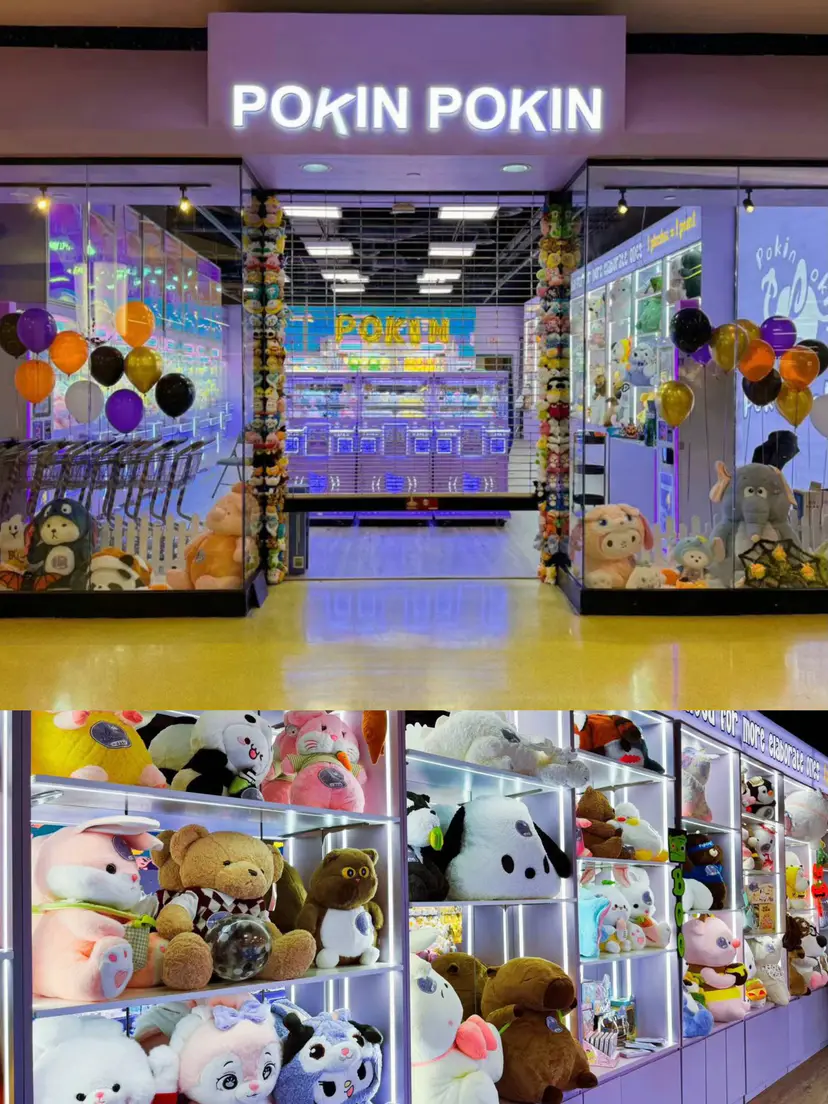
At Reno Stars, we've completed commercial renovations across Metro Vancouver including a comprehensive skin lab renovation in Vancouver ($345,000–$360,000, full build-out with accessibility upgrades and medical-grade finishes) and a retail store renovation in Metrotown, Burnaby ($23,000–$25,000, wall modifications and commercial laminate flooring). We understand the commercial permit process and work with licensed mechanical and electrical engineers on every project.
If you're planning a restaurant renovation, start with a consultation. We can connect you with the engineering team and walk you through the Health Authority submission process before you commit to a scope.
Also see our guide on renovation permits in BC for the residential side — commercial permits follow a similar process but with additional layers. And if you're concerned about financing a larger commercial renovation, read our renovation financing guide.
Frequently Asked Questions
How much does a restaurant renovation cost in Vancouver?
Restaurant renovation costs in Metro Vancouver range from $50,000 for a cosmetic refresh to $500,000+ for a full buildout. A front-of-house refresh (new flooring, paint, lighting, seating) runs $50,000–$120,000. A mid-range full restaurant renovation with new kitchen equipment, hood ventilation, and FOH design runs $150,000–$300,000. A ground-up restaurant buildout in a raw commercial shell runs $250,000–$600,000+. Reno Stars real-project data: Metrotown casual dining buildout $280,000, Burnaby café renovation $143,000, Richmond bubble tea franchise buildout $165,000. Per-sqft costs: $200–$600/sqft for full restaurant renovations in Metro Vancouver.
What permits do I need for a restaurant renovation in Vancouver?
A Vancouver restaurant renovation typically requires: (1) Building permit — for any structural, mechanical, or layout changes; (2) Plumbing permit — for kitchen sinks, dishwashers, grease traps, hand sinks; (3) Electrical permit — for hood fans, commercial equipment circuits, new panel capacity; (4) Mechanical permit — for Type 1 or 2 commercial exhaust hood and HVAC changes; (5) Health permit — from Vancouver Coastal Health or Fraser Health (inspects the completed kitchen before opening); (6) Business licence — renewed or updated with new address/use. The most common delay: ventilation system approval and grease trap sizing, which requires a mechanical engineer's stamp in the City of Vancouver.
How long does a restaurant renovation take in Vancouver?
A Metro Vancouver restaurant renovation timeline: permit submission (4–10 weeks), construction (6–12 weeks for full renovation), health inspection and final permits (1–3 weeks). Total from lease signing to open: 3–6 months for a mid-scope renovation; 6–12 months for a full buildout from a raw shell. Landlord coordination, liquor licence applications (8–16 weeks if new), and health authority inspections are the most variable elements. Reno Stars has completed 15+ commercial restaurant and café projects — we provide an integrated Gantt chart covering all permit and inspection milestones.
What is the cost of commercial kitchen equipment installation in Vancouver?
Commercial kitchen equipment installation costs vary significantly by equipment type. Budget ranges for Metro Vancouver in 2026: commercial range ($8,000–$35,000 supply + $1,500–$4,000 install), commercial hood system ($6,000–$25,000 including makeup air), walk-in cooler ($18,000–$45,000 for 8×10 to 10×12 units), commercial dishwasher ($8,000–$25,000), grease trap ($3,000–$9,000), and ventilation/makeup air ($8,000–$30,000). Total commercial kitchen equipment budget for a 20-seat casual dining restaurant in Vancouver: $60,000–$140,000. Equipment procurement is often on the critical path — popular items have 8–16 week lead times from Canadian suppliers.
Do I need a Type 1 or Type 2 hood for my Vancouver restaurant?
A Type 1 (grease-rated) commercial exhaust hood is required for any cooking equipment that produces grease-laden vapours — ranges, griddles, fryers, charbroilers. A Type 2 hood is for heat and moisture only (ovens, steam tables, dishwashers). In Vancouver's City building code, all Type 1 hoods must include a fire suppression system (Ansul or equivalent), makeup air supply, and must meet NFPA 96 clearances. Grease duct runs must be single-wall welded steel or UL-listed duct. The most common compliance failure during restaurant renovation inspections in Vancouver: inadequate makeup air CFM for the hood size.
See our verified five-star reviews from Metro Vancouver homeowners.
About Reno Stars — Vancouver-based renovation company serving Metro Vancouver since 2019.
View our renovation project portfolio →
Get an accurate quote for your project. Request a free estimate →
What is the cost per square foot for a Vancouver restaurant renovation in 2026?
Vancouver restaurant renovation costs per square foot: Basic refresh (paint, flooring, seating, lighting): $150–$250/sq ft. Standard restaurant renovation (new kitchen layout, updated dining, hood system): $300–$500/sq ft. Full build-out from shell space: $400–$600+/sq ft. A 2,500 sq ft Metro Vancouver restaurant typically requires $375,000–$900,000 for a full renovation or new build-out. Key cost drivers: commercial kitchen exhaust system ($25,000–$80,000), grease trap installation ($8,000–$20,000), and BC occupancy permit requirements for seating classification changes. Restaurant renovation timelines (3–6 months) also mean significant lost revenue during closure — factor this into your total project ROI. For expert Pre-Sale Renovation Advice before listing, speak with our renovation team.
Also see: Metrotown toy store renovation case study | Basement Renovation Vancouver | How to Choose a Contractor | Renovation Timeline Guide | Vancouver Renovation Cost Guide 2026 | Renovation Financing Options
See Also — Renovation Cost Guides
For seniors or those with mobility needs, our Accessible Bathroom Renovation service adds safety features without compromising style.
- Kitchen Renovation Cost Vancouver — average $15K–$80K in Metro Vancouver
- Bathroom Renovation Cost Vancouver — average $10K–$60K+
- Basement Renovation Cost Vancouver — average $20K–$80K
- Whole House Renovation Cost Vancouver — average $50K–$300K+
- Cabinet Refinishing Cost Vancouver — from $4K for refinishing
Reno Stars
Professional renovation company serving Metro Vancouver with 20+ years of experience, $5M CGL insurance, WCB coverage, and up to 3-year warranty.