
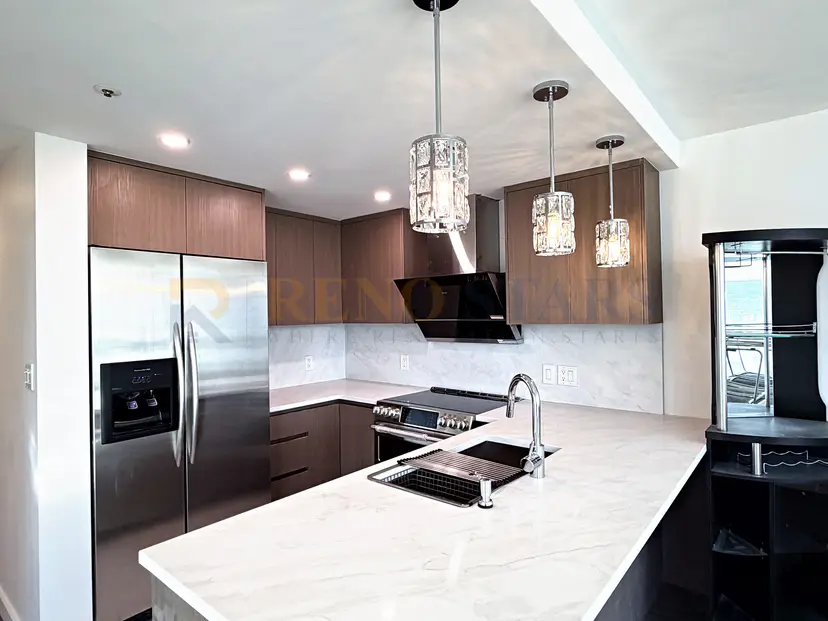
Living Through a Renovation in Vancouver: What to Expect From Start to Finish (2026)
Living through a renovation in Vancouver while staying in your home is possible with the right preparation. Reno Stars covers what to expect in each phase, from demo to handover, with real timelines and practical advice for Vancouver homeowners.
Most Reno Stars clients in Vancouver and Metro Vancouver choose to stay in their homes during a renovation. It saves the cost of temporary housing, keeps you present to answer questions daily, and lets you see the quality of work up close. It is also genuinely disruptive — noise, dust, restricted water use, and tradespeople in and out of your home for weeks or months. This guide covers what actually happens, in order, so you can plan around the reality.
How Long Does a Typical Renovation Take in Vancouver?
A partial renovation — one bathroom or a kitchen — typically takes six to twelve weeks from demolition to handover. A whole-house renovation in Vancouver runs twelve to twenty-four weeks, depending on scope. A full gut renovation of a larger home can extend beyond six months.
Vancouver building permits add four to eight weeks to the pre-construction timeline. The City of Vancouver, City of Burnaby, and City of Surrey all have similar processing windows for mid-sized residential projects. Reno Stars submits all permit applications and follows up with municipal offices on your behalf.
Before Construction Begins: The Setup Phase
Reno Stars spends the first one to two weeks before any demolition setting up the work zone. This includes sealing off doorways with plastic sheeting, laying protective flooring in corridors, and establishing a clear path for materials and debris. You will also be asked to select finishes — cabinetry, tile, plumbing fixtures, lighting — during this phase.
Finish selection has real lead times in Vancouver in 2026. Imported tile and custom cabinetry can take eight to twelve weeks from order to delivery. Basing your selections on in-stock items at local suppliers keeps the schedule on track. Reno Stars provides a written selections schedule with deadlines so you know exactly when each decision is due.
Week 1–2: Demolition
Demolition is the loudest, dirtiest phase. Cabinets, tile, flooring, and sometimes walls come out. Expect noise above 80 dB during active demo hours (per City of Vancouver noise bylaws, construction noise is restricted to 7 AM – 8 PM on weekdays). Dust will travel, even with containment measures — sealing off HVAC returns and covering furniture in adjacent rooms is essential.
During demo, you may lose access to the room being renovated. Bathrooms in active renovation are not usable. For kitchen renovations, you will need a temporary kitchen setup: a spare counter, a hot plate, a bar fridge, and paper plates for two to four weeks.
Week 2–4: Rough-In — Electrical, Plumbing, and HVAC
Once the old finishes are removed, tradespeople open the walls and run new electrical, plumbing, and sometimes HVAC ductwork. This phase is quieter than demo but more technically complex. Inspectors from the City of Vancouver or your municipality visit at this stage to approve the rough-in work before the walls are closed.
You will be asked to make decisions during rough-in: exact placement of outlets, switches, and light fixtures. These decisions cannot wait — if the walls are open, the electrician and plumber need answers before they close them. Reno Stars holds a selections review meeting before this phase starts so that most decisions are made in advance.
Week 4–8: Framing, Drywall, and Insulation
New framing, insulation, and drywall are installed. Drywall sanding produces a fine dust that travels further than demo dust — it is worth sealing interior doors more carefully during this window than during demo. HVAC installation, including ductwork modifications, also happens in this window if your scope includes it.
A partial kitchen renovation in Vancouver in 2026 typically reaches this phase by week five or six. A whole-house project may be here by week six to eight.
Week 8–12: Finishing — Tile, Cabinetry, Paint
This is when the project transforms visually. Tile setters come first — shower enclosures, kitchen backsplash, bathroom floors — followed by cabinet installers, then painters. Each trade works in sequence, which means some days during this phase feel active and others feel quiet as one trade finishes and the next has not yet arrived.
Access to your bathrooms and kitchen improves significantly once cabinetry and countertops are installed. A functioning kitchen is usually operational again by week ten to twelve in a kitchen renovation. Your temporary setup can come down at that point.
Week 12+: Handover and Punch List
Final installations — plumbing fixtures, lighting, appliances, hardware — happen in the last one to two weeks. Reno Stars conducts a formal walkthrough with you before handover, identifying any incomplete or imperfect items. These punch list items are documented and resolved within five business days of the walkthrough.
A Vancouver renovation permit final inspection is scheduled by Reno Stars after punch list completion. The City's building inspector verifies that all work matches the approved permit drawings.
Managing Daily Life During a Vancouver Renovation
Living through a renovation in Vancouver requires flexibility. The most common disruptions and how to manage them:
- Noise: Trades arrive between 7 AM and 8 PM. Earplugs and noise-cancelling headphones help during early-morning start times.
- Dust: Plastic sheeting at doorways, HVAC return sealing, and daily vacuuming of common areas keeps dust contained. Do not expect zero dust — expect manageable dust.
- Water shutdown: Plumbing rough-in and fixture installation require water to be off for several hours at a time. Reno Stars provides at least 24 hours notice before any planned shutdown.
- Parking and material storage: Renovation materials and a waste bin occupy your driveway or street parking. The City of Vancouver requires a street use permit for waste bins on city property — Reno Stars obtains this permit before demo begins.
- Access for trades: Tradespeople need clear access to the work area. Clear a path from the front door to the renovation zone, and remove fragile items from adjacent rooms.
What Reno Stars Clients Say About Living Through Their Renovations
Lisa Jung, a Richmond homeowner who completed a whole-house renovation with Reno Stars in 2026, said: "This is our second project with Reno Stars, and once again the experience was excellent. Sylvia, Ryan, and Jasper make a fantastic team, the workmanship was great, everything stayed on budget, and communication was always quick and easy."
Henry Wang, a Vancouver homeowner who renovated two bathrooms and a kitchen, said: "We worked with Reno Stars Construction on a partial renovation of our townhouse and were extremely happy with the experience. The team of Ryan, Sylvia and Jasper was professional, communicative, and excellent problem solvers. As a bonus, they delivered the project well ahead of schedule."
How to Prepare Before the Renovation Starts
Preparation reduces stress during the renovation. Before your start date, Reno Stars recommends:
- Pack and move non-essential items from the work zone and adjacent rooms to a spare bedroom or storage.
- Set up a temporary kitchen in a different room with a hot plate, bar fridge, and basic utensils.
- Notify your strata council if you live in a townhouse or condo — strata approval is required before Reno Stars can begin work in many Metro Vancouver developments.
- Arrange alternative parking if your driveway will be occupied by a waste bin or material delivery.
- Establish a communication routine with your Reno Stars project manager — daily text updates keep surprises to a minimum.
Planning a kitchen, bathroom, whole-home or commercial renovation? Get a free, no-obligation quote from Reno Stars.
Frequently Asked Questions
How long does a whole-house renovation take in Vancouver?
A whole-house renovation in Vancouver typically takes twelve to twenty-four weeks from demolition to final handover, not counting the four to eight weeks needed to obtain building permits before construction begins. Larger or more complex projects can extend beyond six months.
Can I live in my home during a Vancouver renovation?
Yes. Most Reno Stars clients in Vancouver and Metro Vancouver remain in their homes during renovations. You will lose access to the room being renovated and may need a temporary kitchen setup for a kitchen renovation. Reno Stars sets up dust containment barriers to isolate the work zone from the rest of your home.
How do I prepare for a renovation when living in the house?
Before your renovation starts, pack non-essential items from the work zone, set up a temporary kitchen in another room, notify your strata if applicable, and arrange alternative parking. Reno Stars provides a pre-construction checklist and assigns you a dedicated project manager who sends daily updates throughout the project.
What permits does a Vancouver renovation require?
A kitchen or bathroom renovation in Vancouver typically requires a building permit from the City of Vancouver or your municipality. Electrical and plumbing work requires separate permits from Technical Safety BC. Reno Stars handles all permit applications and inspections on your behalf as part of your project management fee.
How messy is a renovation and how do you control dust?
Dust is present in every renovation. Reno Stars uses plastic sheeting to seal doorways, covers HVAC returns, lays protective flooring in corridors, and runs a HEPA-filtered vacuum during drywall sanding. You should expect to vacuum common areas daily during the finishing phases. Dust containment does not mean dust-free — it means manageable.
Reno Stars
Professional renovation company serving Metro Vancouver with 20+ years of experience, $5M CGL insurance, WCB coverage, and up to 3-year warranty.